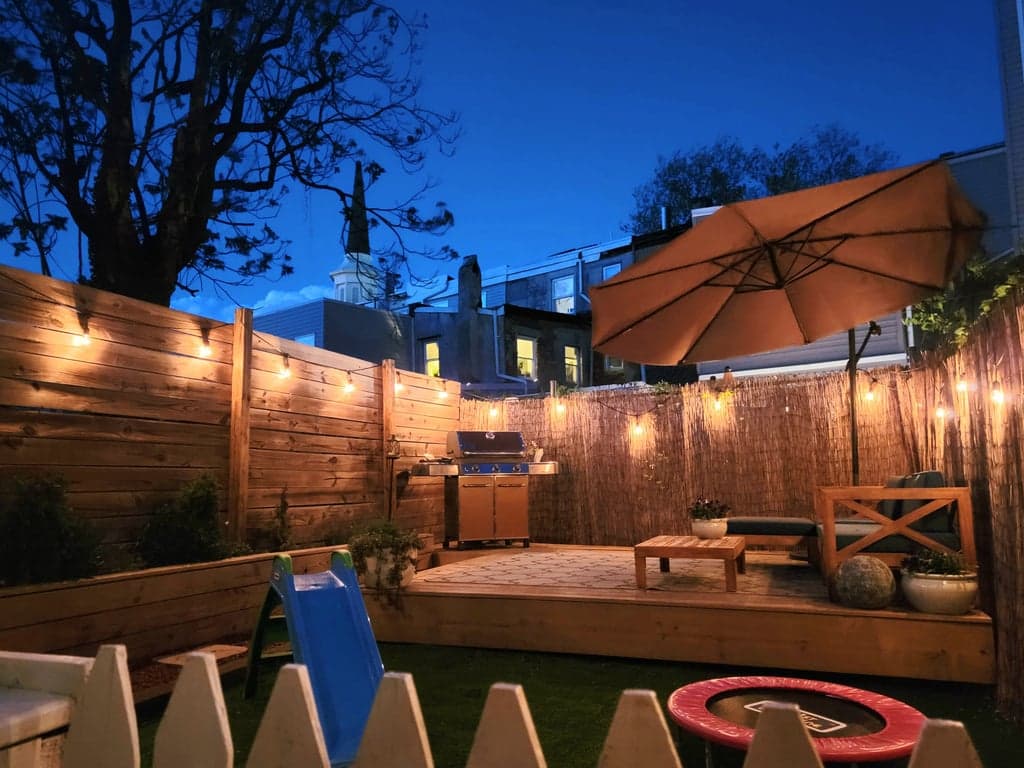
Platform Deck Transformation
Building a Floating Deck Over an Existing Concrete Slab
Project Summary & Fast Facts
Transforming a drab concrete slab into a functional outdoor living space is best achieved with a sleeper system platform deck. By anchoring ground-contact pressure-treated joists directly to the concrete with Tapcon screws and leveling with plastic shims, you create adequate drainage and airflow. This 8x10 platform deck project elevated an unused backyard patio into a grilling and entertaining hub, and even became the identical architectural blueprint for a secret-tunnel catio at our next house.
The Concrete Slab Dilemma
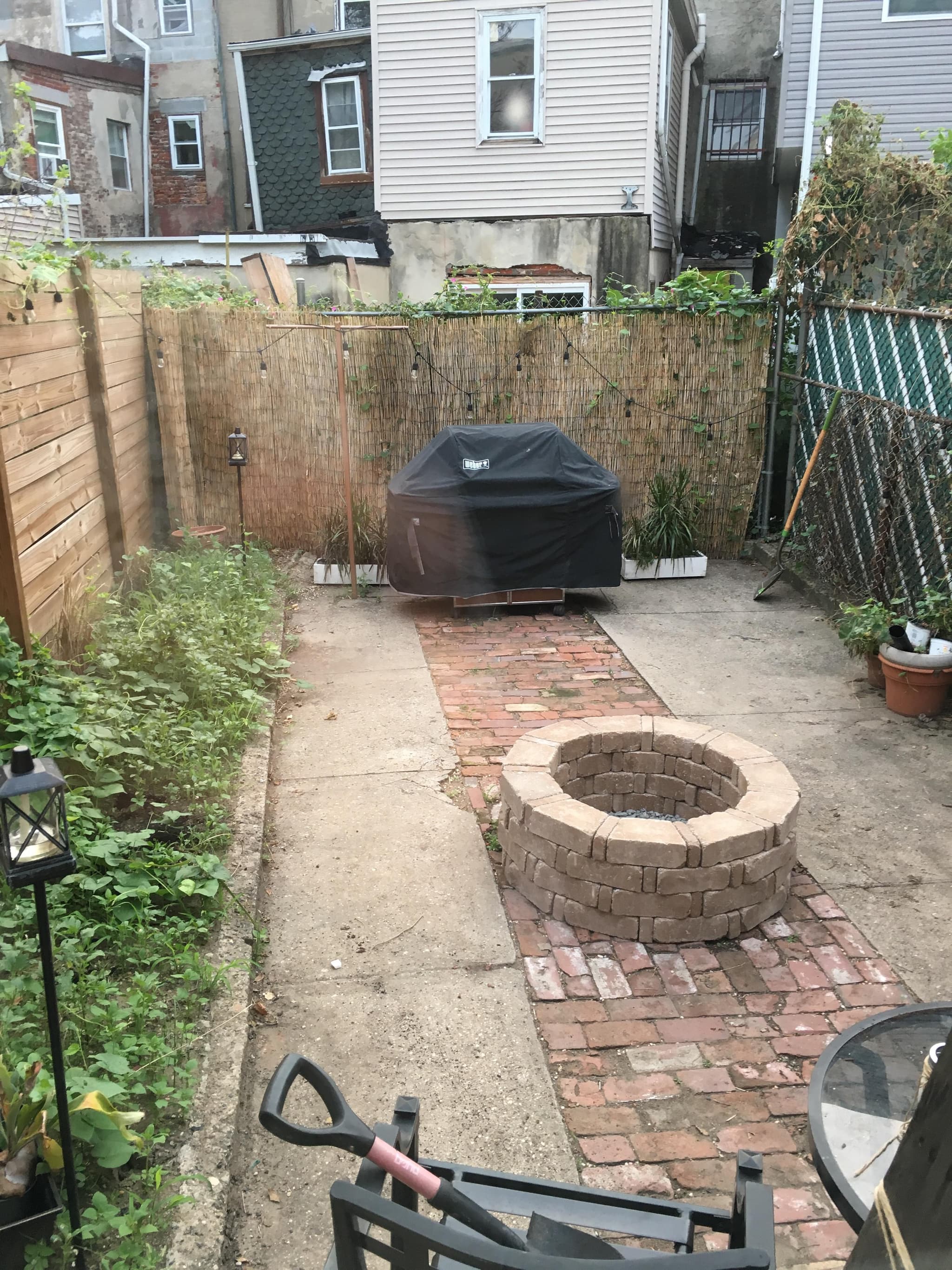
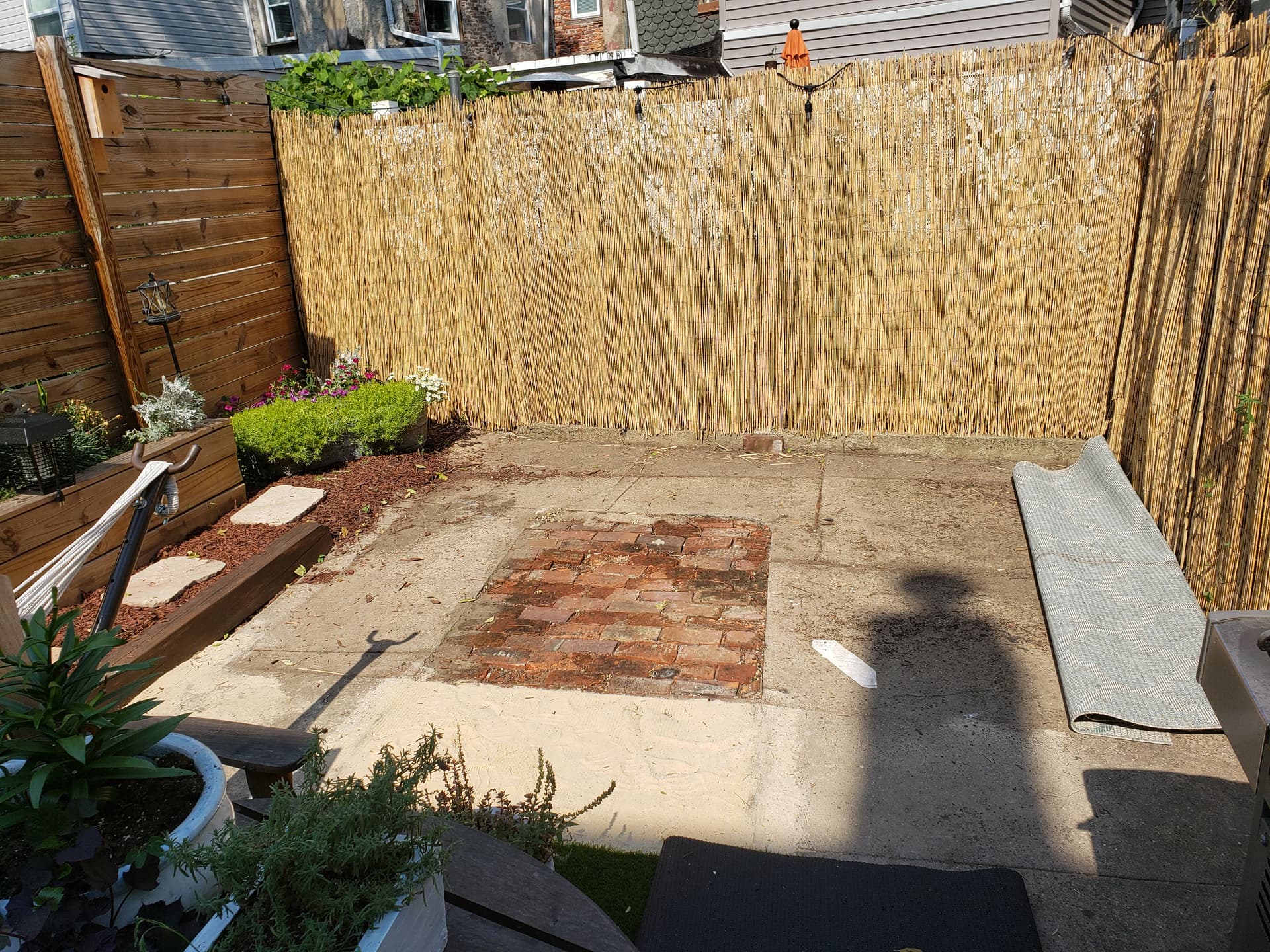
When you have an existing concrete slab patio, it can feel like a solid but uninspiring space. In our Philadelphia backyard, we had a basic leveled concrete pad with a fire pit area. It was functional, but lacked warmth and definition.
The solution? An 8x10 floating platform deck built right over the concrete. This approach saves you from having to dig deep frost footings while providing a sturdy, permanent-feeling structure.
Fun Fact: The Precursor
This exact 8x10 deck build taught me so much that when we moved to our new house, I used the identical platform style as the foundation for an epic outdoor Catio—complete with a secret tunnel entrance for the cats! But that's a story for another article. Let's focus on the build.
The Before & After
Tools & Materials (With Links)
Note: Always buy ground-contact rated pressure-treated lumber when building near the ground.
Materials
- ■ Pressure-Treated 2x6 Joists
- ■ 5/4" Decking Boards
- ■ Tapcon Concrete Screws
- ■ Plastic Horseshoe Shims (Not wood!)
- ■ Exterior Deck Screws (Polymer Coated)
- ■ Joist Tape
Tools
- ■ Hammer Drill w/ Masonry Bit
- ■ Circular Saw / Miter Saw
- ■ Impact Driver
- ■ 4-Foot Level
- ■ Tape Measure & Speed Square
Step 1: Layout and Fastening the Sleepers
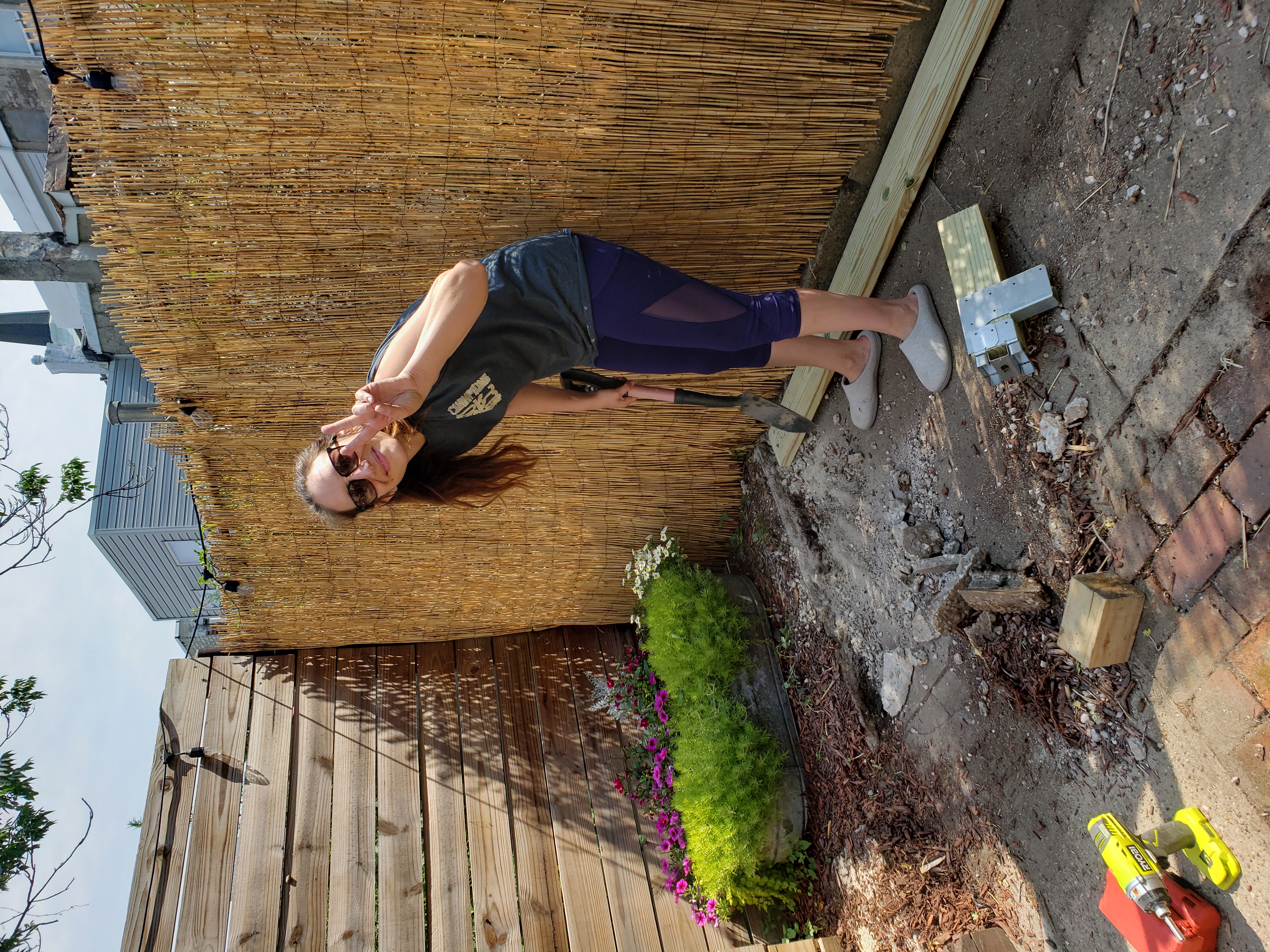
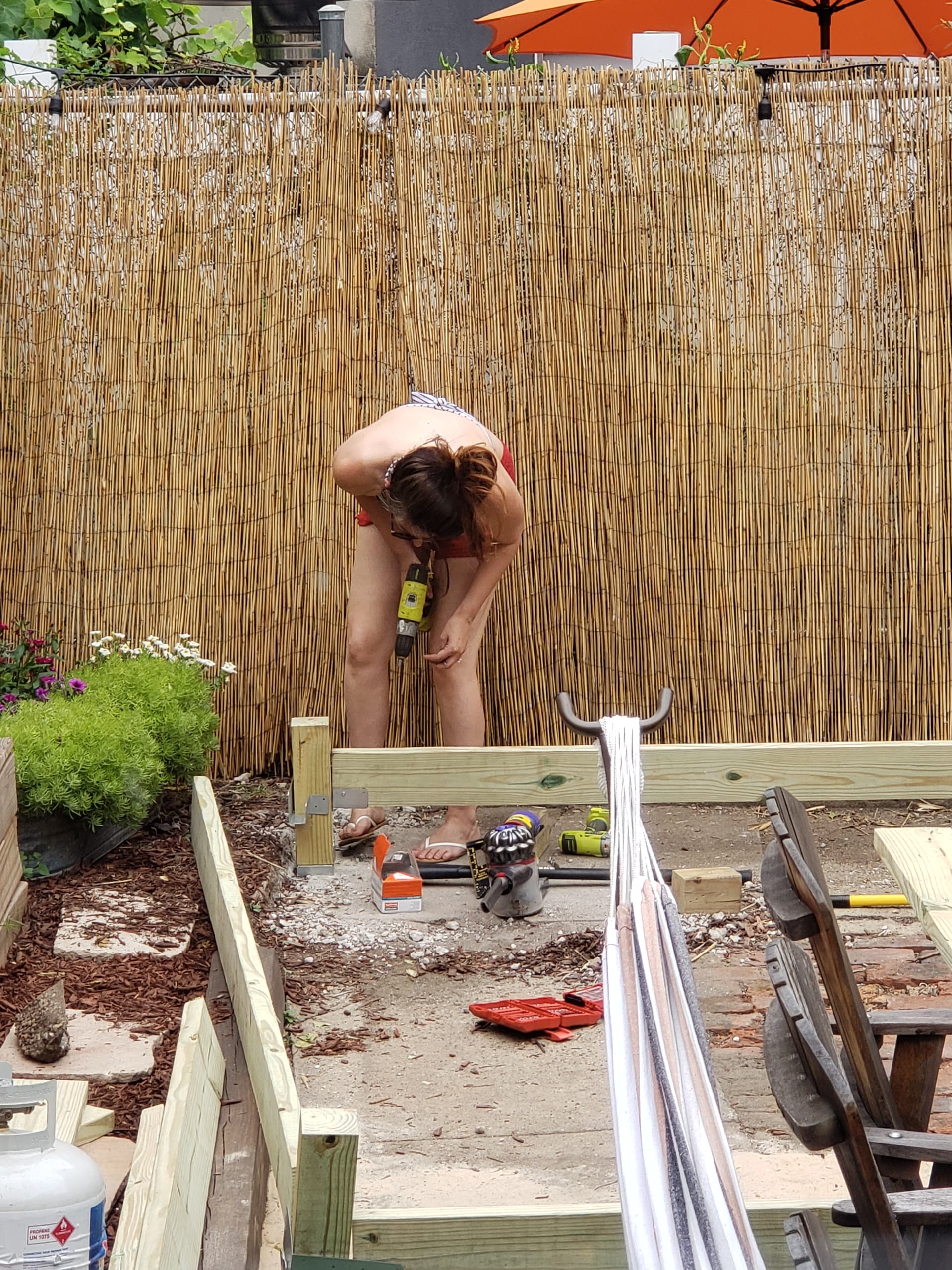
The biggest mistake you can make is laying decking directly onto concrete. Moisture will become trapped, and your boards will rot within a season. Instead, we use a sleeper system—laying pressure-treated joists flat (or on edge depending on desired height) across the concrete to act as the subframe.
Pro Tip: We used a hammer drill to bore holes through the sleepers into the concrete, then secured them with Tapcon screws. It's vital to check for levelness; if the concrete dips, use plastic shims under the joist. Never use wood shims, as they wick moisture directly from the concrete and deteriorate rapidly.
[Video Narrative Placeholder: Drilling & Layout]
User will provide context here from the '20200702_161825.mp4' video, explaining any struggles with the hammer drill, specific layout choices, or funny moments.
Step 2: Framing the Core
With the outer perimeter and main anchors set, we filled in the rest of the joists. Standard spacing is 16 inches on center, ensuring the deck boards have plenty of support and won't flex when walked on.
To further protect the investment, we highly recommend adding Joist Tape along the top edge of every piece of framing. It seals around the deck screws and stops water from pooling on top of the joist, significantly extending the life of your deck.
Step 3: Laying the Decking
Finally, the fun part. Seeing the surface come together is always the most rewarding phase of the build. Start from the most visible edge and work your way back. If you are using wet, pressure-treated lumber straight from the hardware store, butt the boards tightly together; they will shrink as they dry, naturally creating the perfect drainage gap.
[Video Narrative Placeholder: Decking Progress]
User will provide context here from the '20200704_102338.mp4' video, covering the final push, the feeling of getting the boards locked in, or tips on cutting the last board.
The Finished Transformation
By adding a grill station, some string lights, planters, and some artificial turf to the surrounding area, the once-drab concrete pad became an entirely new outdoor room.
Building a platform deck over concrete is less intimidating than digging post holes and mixing concrete, making it an incredibly satisfying weekend project for a DIYer. It set the stage for many backyard gatherings and, ultimately, helped me perfect the design for our future, massive Catio project!
Platform Deck FAQs
Common questions about building on concrete
In many jurisdictions, a ground-level platform deck that is not attached to the house, is under 200 square feet, and sits less than 30 inches off the ground does not require a permit. However, always check with your local building code office as regulations vary by municipality.
No, you should never place decking boards directly on concrete. Doing so prevents proper water drainage and airflow, leading to rapid rot. Always use a sleeper system or adjustable deck supports to elevate the joists off the concrete. If using sleepers, be sure to use ground-contact pressure-treated lumber and consider joist tape.
The best practice is to pre-drill holes through your sleepers and into the concrete slab using a hammer drill and a masonry bit. Then, secure the frame using concrete screws (like Tapcons) that penetrate at least 1 inch into the slab.
If your existing concrete has slight dips or slopes, you can level your sleeper joists using plastic shims. Avoid wood shims as they will rot quickly when in contact with moisture. For more severe unevenness, consider using adjustable deck pedestals instead of a sleeper system.
Yes. Ensuring water can flow off the concrete and away from your house is critical. When laying out your sleepers, orient them so they do not block the natural slope and drainage path of the water. Avoid boxing in water beneath the deck.