Gravity Never Lies
Why the 4,000-year-old Plumb Bob still beats a $500 Laser Level.

⚡ Quick Answer
A plumb bob is an ancient precision tool that uses gravity to establish a perfectly vertical line. While laser levels are popular, a plumb bob never runs out of batteries and is unaffected by bright sunlight, making it superior for outdoor deck building and transferring ceiling points to floors. For best results, use a solid brass bob with a hardened steel tip to minimize wind drift and oscillation.
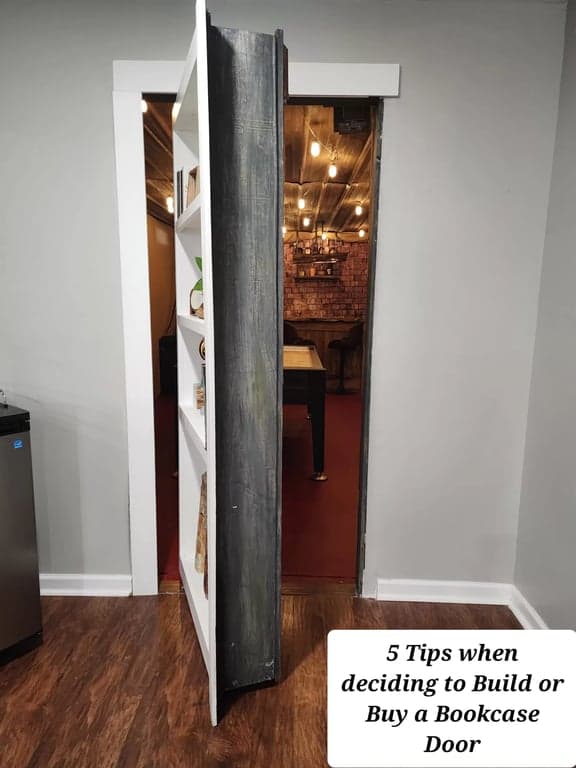
I love my gadgets. My workshop is full of digital calipers, power tools that beep, and yes, laser levels. But when I was building myHidden Bookcase Door, I ran into a problem.
I needed to install the pivot hinges with absolute precision. If the axis was off by even a fraction of a degree, the 300-pound door would bind. I set up my fancy red laser level, but the afternoon sun streaming through the window washed out the line completely.
"I dug into the bottom of my toolbox and pulled out a dusty, pointed brass weight on a string. In seconds, I had a dead-accurate vertical line."
It was a reminder that sometimes, the oldest tools are still the best. The plumb bob has been used since the Pyramids were built, and for good reason: gravity is undefeated.
Where 1 Degree Matters
Precision isn't optional for these builds.

Transferring Points
This is where the plumb bob truly beats the laser. In myBarn Beam Light Fixtureproject, I had to mark exactly where the ceiling hook was on the floor so I could position my ladder safely. Trying to hold a laser steady on a ceiling hook is a nightmare. With a plumb bob, I just hung the string from the hook, waited for it to settle, and X marked the spot.
Anatomy of a Plumb Bob
Simple, effective, timeless
The Tip
Must be hardened steel and replaceable. If it dulls, accuracy suffers.
The Weight
Heavier is better. A 16oz bob resists wind drift much better than a cheap 8oz one.
The Cap
Should unscrew to store extra string and tips. Knurled for grip.
My Recommendations
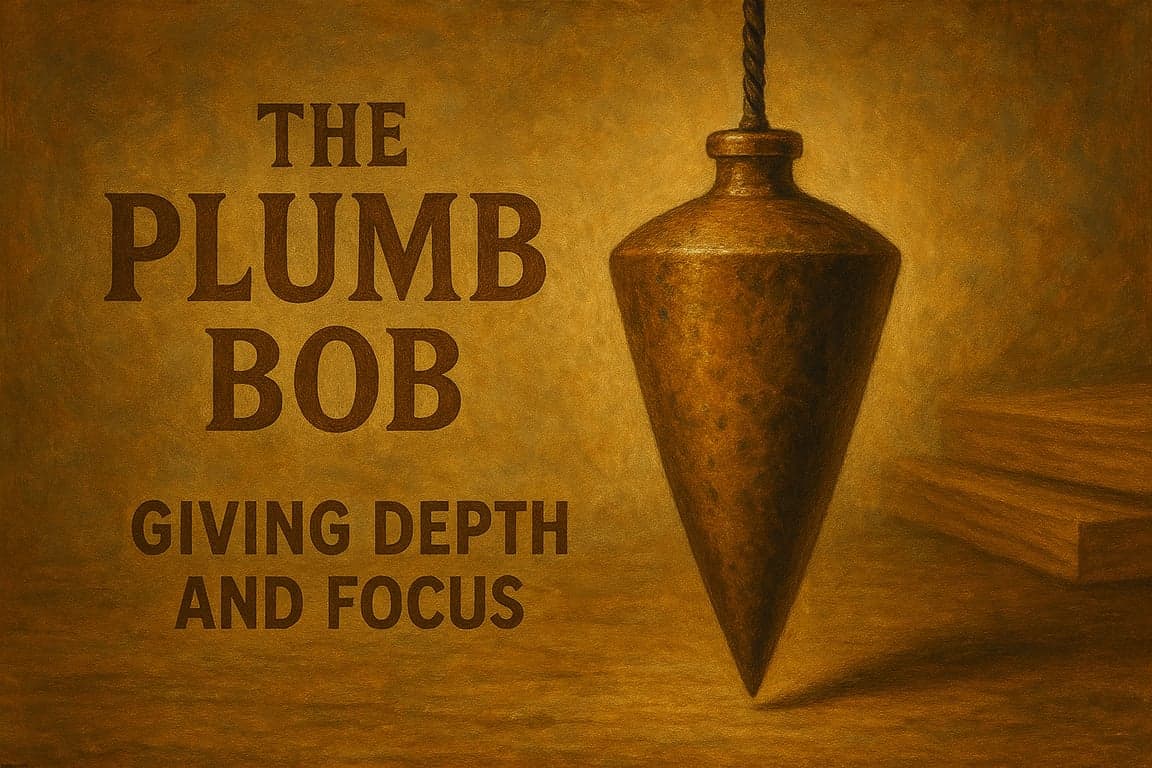
General Tools 800-16 Brass Plumb Bob
The classic. 16oz of solid brass. It settles quickly, has a replaceable tip, and feels substantial in the hand. It's a tool your grandkids will inherit.
- •Weight: 16oz
- •Material: Solid Brass
- •Tip: Hardened Steel
- •Rating: 5/5

Plumb Bob Kit (Budget-Friendly Pick)
A solid entry-level plumb bob for the DIYer who wants to try one before committing to brass. Great for occasional use on indoor projects where wind isn't a factor.
- •Affordable Entry Point
- •Great for Indoor Use
- •Perfect Starter Tool
As an Amazon Associate, I earn from qualifying purchases. This doesn't affect my recommendations — I only link tools I actually use.
Plumb Bob FAQ
It establishes a true vertical reference line. Builders use it to transfer points from ceiling to floor (like finding where to drill a hole for a pipe) or to ensure tall structures (like walls or fence posts) are perfectly upright.
Lasers are great for horizontal lines, but they struggle outdoors in bright sun and can lose calibration. A plumb bob relies on gravity, which is constant. It's often faster for single-point transfers.
Brass is dense and non-magnetic. Density helps it hang stable and resist wind sway. Being non-magnetic prevents interference if you're working near steel beams or electrical conduits.
Let it hang until it slows down, then gently touch the tip with your finger or let it settle into a container of water (oil works even better) to dampen the oscillation instantly.
Damping Trick
Is your plumb bob swinging like a pendulum and won't stop?
The Pro Tip: Dangle the tip into a cup of water (or oil). The fluid resistance stops the swinging almost instantly while still allowing gravity to pull it straight down.
Wind Warning
Plumb bobs are useless on windy days outdoors.
If you must work outside, use the heaviest bob you can find (16oz+) or shield the string with a piece of plywood.
Why Brass?
It's non-magnetic. Working near steel beams or conduit? A steel bob will pull sideways. Brass hangs true.