
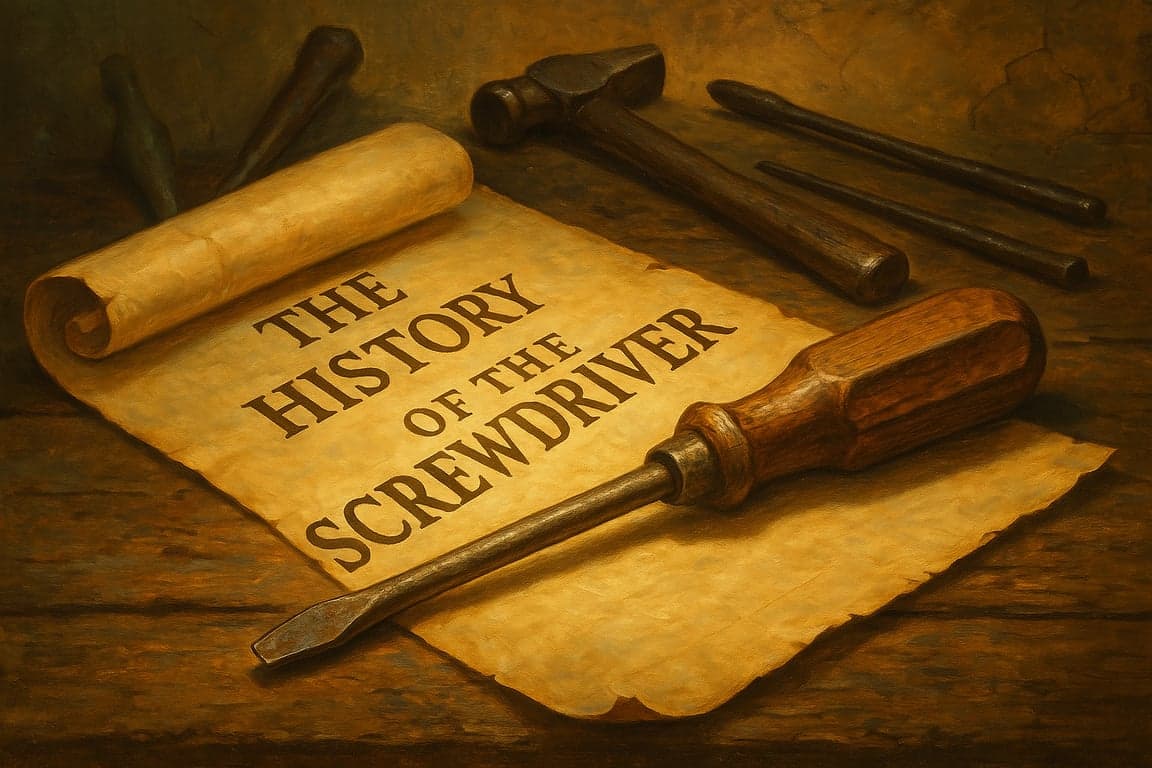
Why I Still Reach for a Manual Screwdriver
Even though I own three impact drivers, the humble screwdriver is still king for finish work.
⚡ Quick Answer
While impact drivers dominate construction, the manual screwdriver remains the king of fine woodworking. It provides tactile feedback that power tools cannot, allowing you to seat brass hardware and delicate hinges without stripping the heads or cracking the wood. For the modern shop, a high-quality set of 'Lasertip' screwdrivers (like Wera Kraftform) offers superior grip and cam-out prevention compared to generic multi-bit drivers.
I love my impact driver. It drives 3-inch deck screws like they're going into butter. But there was a moment during myBasement Barbuild that made me put the power tool down and never pick it up again for finish work.
I was installing the beautiful (and expensive) brass handles on the custom cabinetry. I was tired, so I grabbed the drill. Zip. Snap.
"In a split second, I snapped the head off a brass screw, leaving the shank buried deep in my freshly painted cabinet door."
The torque was too high, and I had zero "feel" for when the screw was seated. I spent the next two hours carefully drilling out the broken screw and repairing the damage. That was the day I rediscovered the shop screwdriver.
The "Feel" Factor
When you're doing fine woodworking, you need feedback. You need to feel the resistance of the wood. You need to know exactly when that screw is tight enough to hold, but not so tight that it strips the hole.
This was crucial when I was adjusting the pivot hinges on myHidden Bookcase Door. The gap tolerances were less than 1/8th of an inch. A quarter-turn of a screw changed the entire swing of the door. An impact driver is a sledgehammer; a screwdriver is a scalpel.
Anatomy of a Good Driver
Not all tips are created equal
The Tip
Look for hardened or laser-etched tips. Cheap chrome plating flakes off and causes slippage.
The Shank
Hex shanks are great because you can put a wrench on them for extra torque.
The Handle
Tri-lobe or Kraftform handles fit the hand's anatomy better than round handles.
The Set I Use
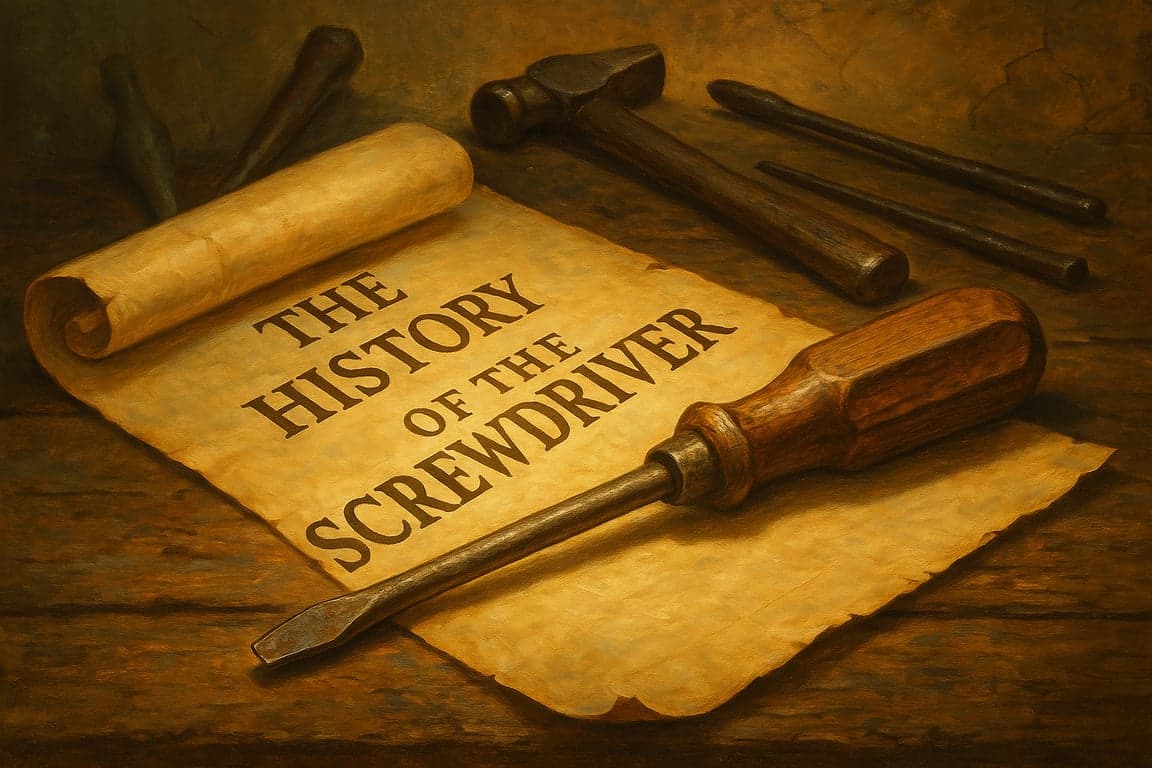
Wera Kraftform Plus
The alien-looking handle is actually ergonomic genius. The laser-etched tips bite into screw heads so hard they can hold the screw horizontally without a magnet.
- •Tip: Lasertip
- •Handle: Kraftform
- •Shank: Hex Bolster
- •Rating: 5/5
Screwdriver FAQ
Impact drivers have massive torque (1500+ in-lbs). For delicate tasks like installing cabinet hardware or working with brass screws, they provide zero feedback. You can snap a screw head or crack a cabinet door in a split second.
Size matters. A #2 Phillips is the standard for most drywall and deck screws. A #1 is smaller (often for hinges), and a #3 is larger (for lag bolts). Using the wrong size is the #1 cause of stripped screws.
It's the square drive screw, and it's superior to Phillips in almost every way. It holds the screw on the driver tip without a magnet and almost never cams out (slips). If you have a choice, buy square drive screws.
A good multi-bit driver (like a 10-in-1) is perfect for the junk drawer in your kitchen. But for the workshop, a dedicated set of screwdrivers feels better in the hand and fits into tighter spaces.
Cam-Out Killer
"Cam-out" is when the bit slips out of the screw head, destroying both.
- 1.Use Robertson: Square drive screws almost never cam out.
- 2.Check Size: Phillips #2 is standard. Don't use a #1.
- 3.Push Hard: Maintain forward pressure while turning.
Brass Screw Tip
Brass is soft. Always drive a steel screw of the same size first to "cut the threads," then back it out and drive the brass screw by hand.
Never use a drill on brass!