
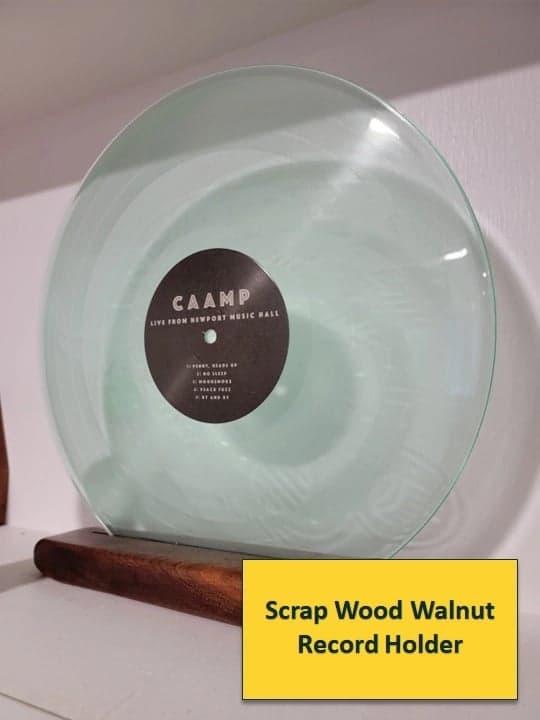
DIY Wood Record Holder
A small walnut off-cut became a Now Playing stand for my daughter's first favorite records. It is simple enough for a beginner, but polished enough to leave out in the room.
I've always believed that the things we display in our homes should tell a story. When my daughter started getting into vinyl, her first favorite band was CAAMP. I wanted to give her a way to display that Now Playing album art that felt as special as the music itself.
I didn't want just a stand. I wanted a little piece of furniture that honored the ritual of listening to a record.
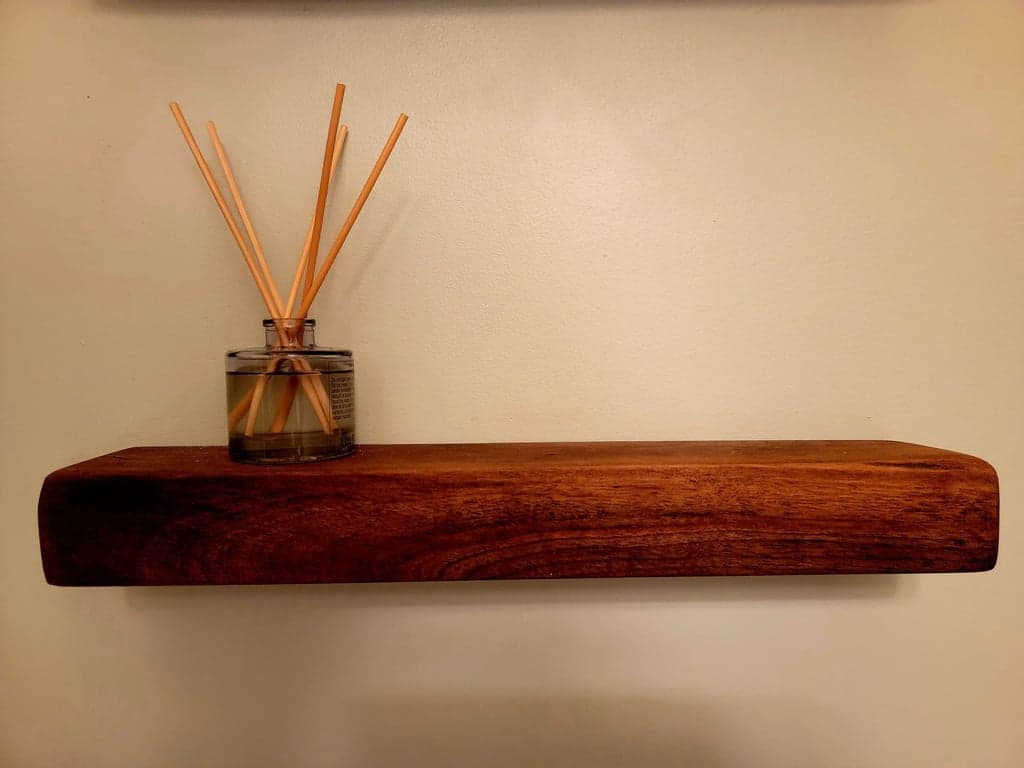
So, I headed to my scrap pile. I had a beautiful piece of off-cut walnut from a floating shelf project just waiting for a purpose.
What makes the tiny project work
Four small decisions keep this from feeling like a scrap block with a groove in it.
Use a dense off-cut
Walnut, oak, maple, or another hardwood gives the stand enough weight to hold a record sleeve upright without feeling flimsy.
Mark a centered 7 inch slot
Stand the record where you want it, mark center, then measure 3.5 inches each direction so the sleeve sits balanced.
Shape the edges by feel
The character comes from sanding slow contours into the wood, then smoothing the surfaces before the finish goes on.
Skip stain if the grain is strong
Semi-gloss polyurethane gave this walnut enough glow without making the small stand look like plastic.
What I would pull to the bench
Disclosure: tool and material links in this section may be affiliate links. We may earn a commission at no extra cost to you.
Step-by-step record holder build
Keep the project small, but treat the layout and finish like the piece is going to live in the room.
Choose your wood
Choose whatever wood type you prefer. It should be at least 1 inch in height by 2 inches wide. I had some walnut left over from the floating shelf project, so I decided to use that. Woods like walnut, spalted maple, and oak work well with polyurethane finish.
Mark and cut the slot
Stand your record up where you want it to be able to sit and mark the center with a pencil. Remove the record and measure 3.5 inches from center in each direction, for a total length of 7 inches. Using a Dremel with a wood cutting wheel, cut along the 7 inch line as deep as your cutting wheel will allow.
Create character with sanding
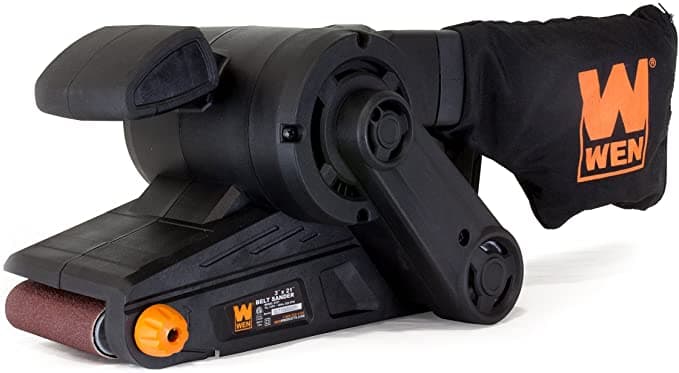
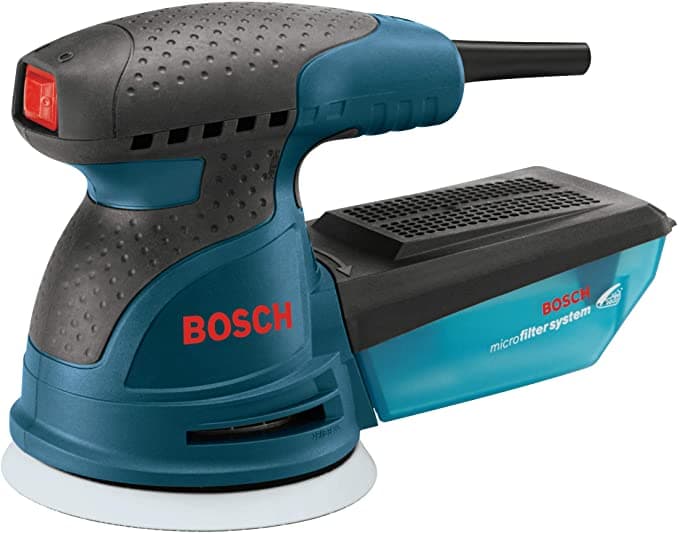
I wanted the edges of the record holder to have lots of character. To do this, I flipped my belt sander over and ran the wood in random patterns using 80-grit sandpaper. Once I got the look I wanted, I used a random orbital sander with 120-grit. I popped the grain and hand sanded a second time with 120 grit.
Apply finish
Walnut has lots of natural color and beauty. I decided to skip the stain and go straight to applying a semi-gloss oil-based polyurethane. Polyurethane gives the wood a nice glow and semi-gloss avoids making the wood look like plastic. As with most projects, I applied three coats of polyurethane.
Check the fit
Once the polyurethane has fully dried, check the fit by placing the record in the newly created slit. Make any adjustments if needed to ensure the record sits securely but can be easily removed.
Before you call it done
- Test the slot with a record sleeve before finish so you can widen or deepen the groove while sanding dust is still acceptable.
- Round the front edges enough that the holder looks handled, but keep the bottom flat so it sits stable.
- Let the polyurethane fully cure before dropping in a favorite sleeve. Finish that feels dry can still be soft.
- If the slot is too loose, add thin felt inside the groove so the sleeve sits snugly and does not scuff.

Record holder questions
What is the best wood for a record holder?
Hardwoods like walnut, oak, or maple are excellent choices because they are durable and heavy enough to provide stability for the record. They also finish beautifully. However, you can use any scrap wood you have on hand, even pine, if you like the look.
Can I make this holder longer for more records?
This specific design is meant for a single Now Playing display. If you want to hold multiple records, you would need to cut a much wider slot or multiple parallel slots. Just ensure the base is wide enough to prevent tipping if you add more weight.
How do I keep the records from sliding?
The slot cut by the Dremel wheel should be narrow enough to hold the record upright without it sliding too much. If you find it is too loose, you can line the inside of the slot with a thin strip of felt, which also helps protect the record sleeve.
Do I need a Dremel tool?
A Dremel with a wood cutting wheel makes it very easy to cut a stopped slot, meaning one that does not go all the way to the ends. You could also use a router with a straight bit, or even a table saw if you are comfortable cutting a stopped dado, though that is more advanced and requires safety precautions.