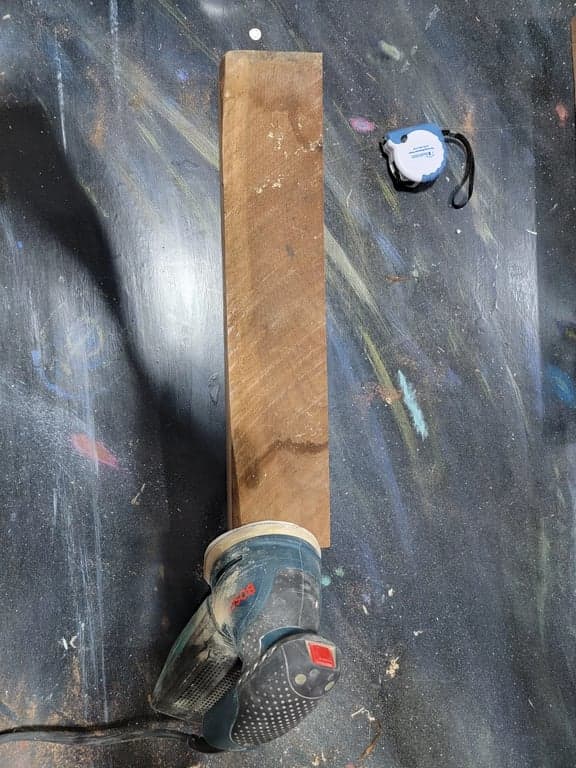
The Tool That Turns a $5 Board Into a $50 Finish
Sanding isn't fun. But with the right orbital sander, at least your hands won't be numb when you're done.
⚡ Quick Answer
A Random Orbit Sander (ROS) is the most versatile sanding tool in any woodshop. Unlike belt sanders (aggressive) or finishing sanders (slow), an ROS uses a dual-action spin to remove material quickly without leaving scratch patterns. For most hobbyists, a 5-inch corded variable-speed model (like the Bosch ROS20VSC) is the perfect balance of power, price, and vibration control. Avoid battery-powered units for bench work; they are top-heavy and run out of juice too fast.
My first sander was a $20 "house brand" unit. I thought I got a deal.
After sanding a tabletop for 30 minutes, I put the tool down, but my hands kept vibrating for another hour. It was miserable. The dust collection was a joke—it just blew sawdust into my face.
I upgraded to the Bosch ROS20VSC and realized what I was missing. The "vibration damping" isn't a marketing gimmick; it's the difference between hating sanding and tolerating it. The filter canister actually captures the fine dust that clogs your lungs.
What Matters in a Sander
Ignore the horsepower, look for these
Vibration Control
The most critical feature. A balanced internal counterweight saves your hands from numbness.
Dust Collection
Look for a tight-fitting canister with a pleated filter, or better yet, a port that fits your shop vac.
Variable Speed
Essential. Slow down for pine (to avoid melting resin) or delicate veneers. Speed up for oak.
My Top 3 Picks
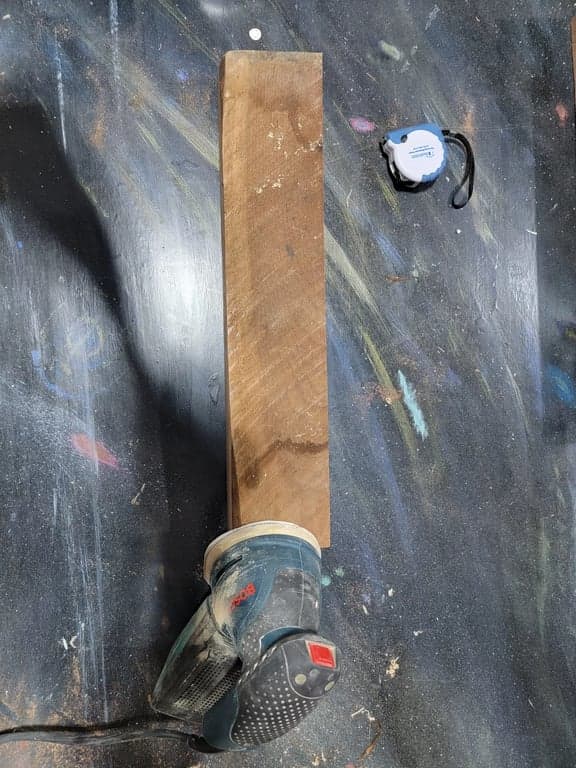
Bosch ROS20VSC
The vibration king. I can run this for an hour without my hands tingling. The filter system actually traps dust.
- •Amps: 2.5
- •Vibration: Low
- •Filter: HEPA-style
- •Rating: 5/5
DEWALT DWE6423K
A solid runner-up. Shorter height gets you closer to the work, but vibration is slightly higher than the Bosch.
- •Amps: 3.0
- •Height: Low Profile
- •Grip: Rubberized
- •Rating: 4.5/5
Makita BO5041K
The erratic handle option. The rotatable front handle is great for vertical sanding or weird angles.
- •Amps: 3.0
- •Handle: Adjustable
- •Power: High
- •Rating: 4/5
Sanding FAQ
A standard orbital sander just spins in a circle. A *Random* Orbital Sander (ROS) spins *and* wiggles in an ellipse. This random movement prevents 'swirl marks' on your wood. Always buy an ROS. Standard orbital sanders are obsolete for fine woodworking.
Don't skip grits! This is the #1 rookie mistake. Standard sequence: 80 (removing defects) -> 120 (smoothing) -> 180 (finishing). If you jump from 80 to 220, you'll leave deep scratches that the finest grit can't remove.
For a sander? Corded. 100%. Sanding takes time. A 5.0Ah battery lasts about 20 minutes under load. Unless you are sanding drywall on a ladder, the consistent power and lighter weight of a corded unit is superior.
Cheap sanders vibrate excessively. If you're sanding for more than 15 minutes, poor vibration damping can cause temporary nerve numbness or lasting damage (HAVS). This is why I recommend the Bosch—it has the best suspension system in its class.
Sanding 101
- 1.Move Slow: 1 inch per second. Let the grit cut.
- 2.Light Pressure: Only the weight of the tool.
- 3.Check work: Wipe with mineral spirits to see scratches.
- 4.Vac Up: Vacuum dust between grits.
The 'Pigtail' Problem
If you see little spiral scratches (pigtails), you either:
- Have trapped grit/dust under the pad
- Moved too fast
- Pushed too hard
Clean your wood and slow down!
Crowdfunding IntelTool Trust Reports
Kickstarter is full of next-gen sanding and finishing tools. BackerGuardian provides independent forensic trust analysis on crowdfunded tools — so you know what's real before you pledge.
View on BackerGuardian