xTool filtration reviewAP2 vs AP2 MaxUpdated May 15, 2026

xTool SafetyPro AP2 Review: Build the Smoke Path Before You Build the Workflow

The AP2 lineup is not just another accessory box. It is the air-handling decision that determines whether a laser setup feels controlled, repeatable, and safe enough to live with indoors.

Affiliate link: we may earn a commission if you buy through xTool, at no extra cost to you.

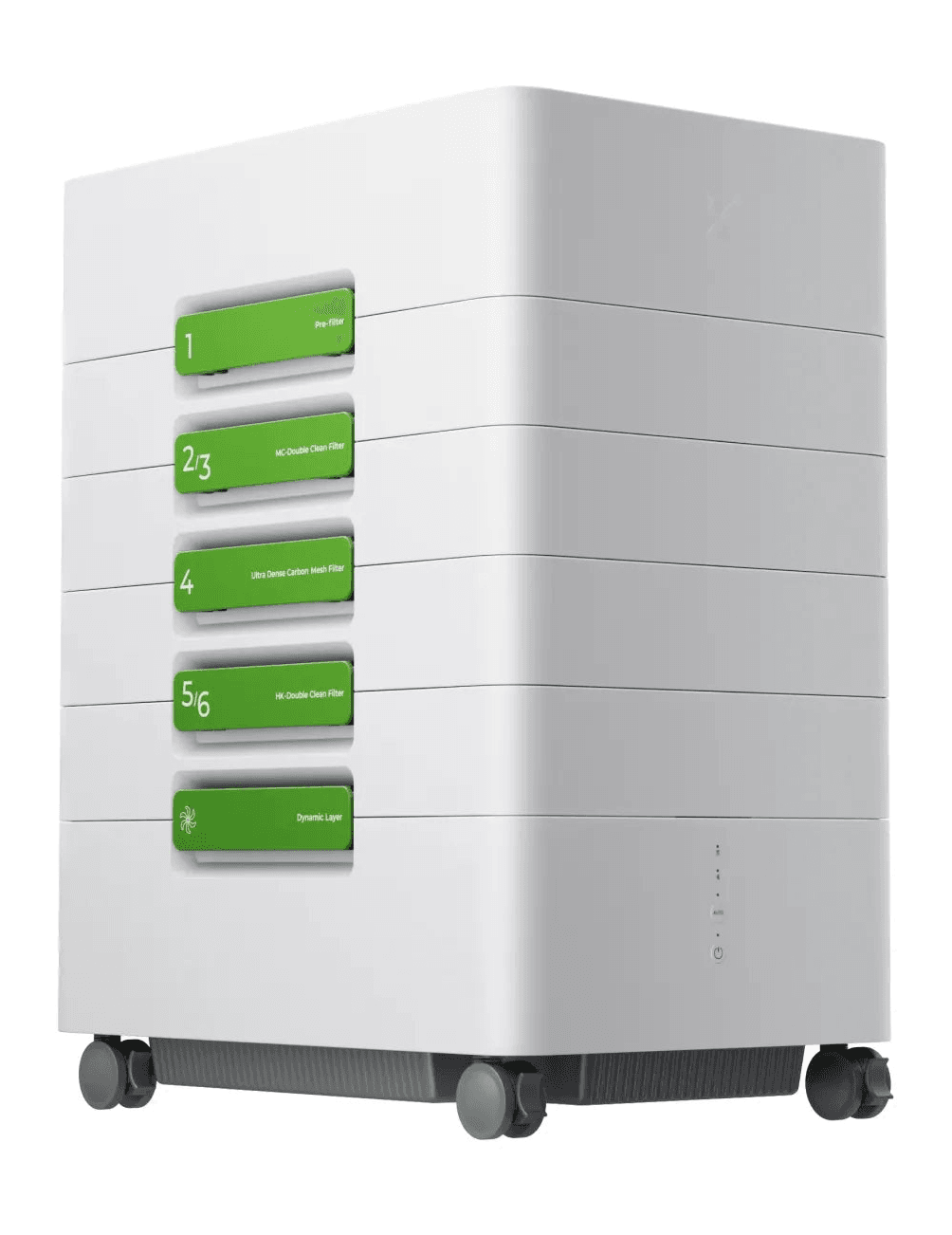
xTool SafetyPro AP2 air purifier
Filter stackParticle separation, carbon, HEPA, and airflow sizing
150 m3/hAP2 published airflow
700 m3/hAP2 Max published airflow
Quick verdict

The AP2 is a real upgrade, but sizing matters more than the name.

The xTool SafetyPro AP2 lineup is most compelling because it adds cyclone-style particle separation, filter-life monitoring, xTool software control, and a clearer AP2/AP2 Max split. Choose the regular AP2 for smaller desktop laser work. Start with AP2 Max for P2/P3-class CO2 lasers, heavy acrylic or MDF cutting, and rooms where odor control matters. Either way, keep ventilation, material safety, and air monitoring in the plan.

AP2 airflow150 m3/hdesktop laser range
AP2 Max airflow700 m3/hlarger enclosed setups
AP2 noise claim55 dBxTool published spec
AP2 Max noise claim65 dBxTool published spec
Decision path

Start with the smoke load, not the accessory name.

The AP2 decision gets easier when you treat the purifier as part of the whole air path: laser size, material, room volume, ducting, filter cost, and how often you actually cut smoky materials.

Small desktop route

SafetyPro AP2

The regular AP2 is the cleaner fit when your laser is smaller, your smoke volume is modest, and you need a compact purifier rather than a shop-scale airflow system.

  • 150 m3/h published airflow
  • 36-cyclone particle separation
  • Best for lighter desktop work
Enclosed CO2 route

SafetyPro AP2 Max

The AP2 Max is the safer place to start for P2/P3-class CO2 work, heavier acrylic/MDF cutting, or a room where odor and smoke load are not occasional problems.

  • 700 m3/h published airflow
  • 72-cyclone particle separation
  • Adds a formaldehyde filter path
Existing purifier route

Upgrade when the constraint changes

If your current purifier is working, the upgrade case is strongest when filter cost, odor control, noise, or workflow automation becomes the bottleneck.

  • Watch filter spending
  • Track odor after jobs
  • Upgrade before production volume
Safety route

Do not treat filtration as a free pass

A purifier can reduce smoke and odor. It does not make every material safe, replace source ventilation, or remove the need for fresh air planning and filter maintenance.

  • Check material safety first
  • Monitor the room
  • Never cut PVC or unknown plastics
Filtration stack

What the AP2 story is really selling

The useful part of the AP2 story is not "no fumes." It is a more deliberate smoke path: separate heavy particles early, push enough air for the machine, watch filter life, and keep chemistry in view.

01

Separate heavy particles first

xTool positions SuperCyclone as the pre-filter life extender. The useful buyer question is not just whether it captures smoke, but how much debris it keeps away from the expensive filter stack.

02

Match airflow to the machine

AP2 and AP2 Max are not just size variants. The AP2 Max airflow claim is much higher, which matters when a larger enclosure or CO2 laser can create a denser smoke load.

03

Watch the chemistry

The AP2 Max adds a formaldehyde filter path. That is relevant for certain woods, boards, adhesives, and coatings, but it still does not turn unsafe materials into safe ones.

04

Keep a room plan

Even with filtration, keep exhaust routing, make-up air, air-quality monitoring, and filter replacement in the plan. The purifier is part of the safety system, not the whole system.


AP2 vs AP2 Max

The table is really an airflow question.

AP2 and AP2 Max share the same family idea, but the buying decision is not cosmetic. The Max exists because some laser rooms need a lot more airflow and a deeper filter path.

Decision point
SafetyPro AP2
SafetyPro AP2 Max
Best role
Desktop laser filtration and lighter smoke loads
Bigger enclosed lasers, heavier cutting, and stronger odor control needs
Published airflow
150 m3/h
700 m3/h
Cyclone count
36 cyclones
72 cyclones
Filter path
5-layer filtering approach
7-layer filtering approach with formaldehyde filter
Noise claim
55 dB
65 dB
Buyer caution
Do not undersize it for CO2 cutting just because it is smaller and cheaper
Do not buy more purifier than your actual smoke path and room need
Field note

Why I am not replacing a working purifier just for novelty.

I have used the older xTool purifier long enough to respect what filtration does and where it gets annoying. If your current unit controls odor, your room plan is good, and filter costs are manageable, you do not need to upgrade just because the newer box exists. The AP2 case gets stronger when the old setup becomes the constraint.

The upgrade trigger

I would upgrade from the older xTool purifier when filter replacement, noise, smell, or job volume starts costing more than the new purifier saves.

The fresh-buyer rule

If you are buying into xTool filtration now, the AP2 lineup is the more modern starting point. I would not hunt for the older purifier unless the price gap is dramatic.

The safety boundary

A better purifier is not permission to cut mystery plastics, run unattended, or close the room with no airflow plan. The materials still decide the risk.

Safety boundary

A purifier is not a material permission slip.

The cleaner habit is to identify the material first, then size the air path. Acrylic, MDF, plywood glue lines, leather, coatings, and adhesives can behave very differently. PVC, vinyl, and unknown plastics should stay out of the laser workflow.

Review laser safety basics
Source notes

What I am treating as published fact

Product pages change. The buyer-safe approach is to separate published xTool specs from my shop-level interpretation and from the questions you still need to answer in your own room.

Direct check

Compare AP2 bundles, filters, and current xTool pricing.

I would make the final call from the live xTool bundle page because filter packs, promos, and machine pairing guidance can change faster than a review page.

Check AP2 on xTool

Affiliate link. We may earn a commission at no extra cost to you.

Amazon Support Gear

Airflow and Filter-Change Support Gear

Because this page is about laser air handling, the relevant Amazon add-ons are exhaust-path support and dust PPE for messy maintenance tasks.

As an Amazon Associate, I earn from qualifying purchases at no additional cost to you.

FAQ

SafetyPro AP2 questions buyers actually ask

The AP2 is the smaller purifier in the lineup, with xTool-published airflow of 150 m3/h and a 5-layer filtering path. The AP2 Max is the higher-capacity version, with xTool-published airflow of 700 m3/h, more cyclone separation, a 7-layer filtering path, and an added formaldehyde filter.

No. A purifier can reduce smoke and odor, but it does not replace material safety checks, room ventilation, air-quality monitoring, filter maintenance, or normal laser safety practices.

It can be used as a standalone purifier when your ducting and airflow setup are compatible, but smart software control and automatic behavior are xTool-ecosystem features. Treat non-xTool setups as manual unless the manufacturer confirms otherwise.

For P2/P3-class enclosed CO2 work, start your comparison with the AP2 Max because the published airflow is much higher. The regular AP2 makes more sense for smaller desktop laser use and lighter smoke loads.

Filter life depends on material, cutting volume, job length, smoke density, and maintenance. xTool claims SuperCyclone separation can extend filter life by capturing larger particles before they hit the deeper filter stack, but your actual replacement interval depends on your workload.

Acrylic and MDF can create heavy smoke and odor, so they are reasons to size filtration carefully. Unknown plastics are a different problem: do not cut them unless you know the material is laser-safe. Never cut PVC or vinyl in a hobby laser setup.