Hidden Door Build · Part 2

DIY Hidden Bookcase Door Back: The Ultimate Guide

Don't leave the back of your secret door unfinished! Learn how to create a rustic, seamless look for the back of your DIY hidden bookcase door.

$40 reclaimed wood3 pine boardsHinge-safe weightSeamless wall blend

Quick Answer

The back of a hidden bookcase door deserves the same love as the front. Clad it in lightweight weathered pine — about $40 of reclaimed boards from Facebook Marketplace — glued and finish-nailed, then continue the same boards onto the adjacent wall so the closed door reads as one seamless rustic surface without straining the Tambee pivot hinges.
Why Part 2 exists

The "Mullet Door": Business in the Front, Party in the Back

If you follow this website, you already know—I am a dad. That means my SEO search rankings might take a hit because I prioritize dad jokes over keywords. But here you are, and that's what really matters.

Hidden bookcase doors are undeniably cool. Most DIYers stop after completing the front, leaving the back looking unfinished. This guide is dedicated to making the back of your hidden bookcase door just as impressive as the front.

Need the front first? Start with Part 1 →
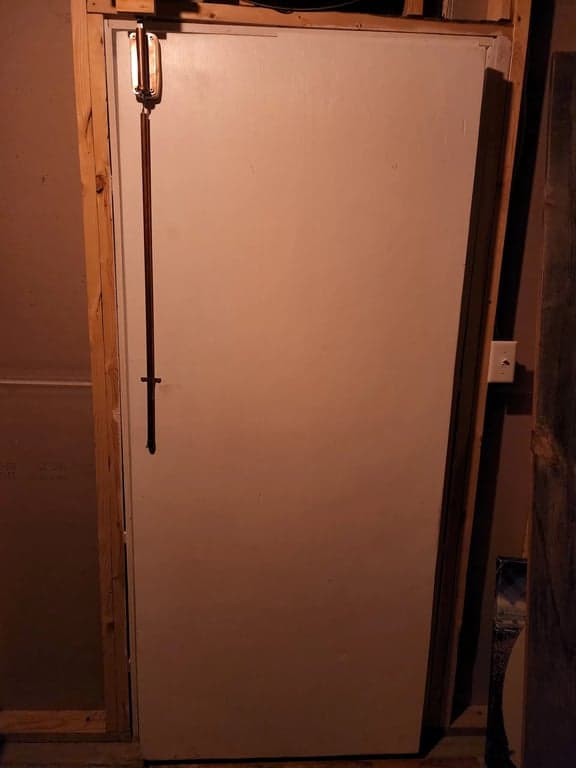
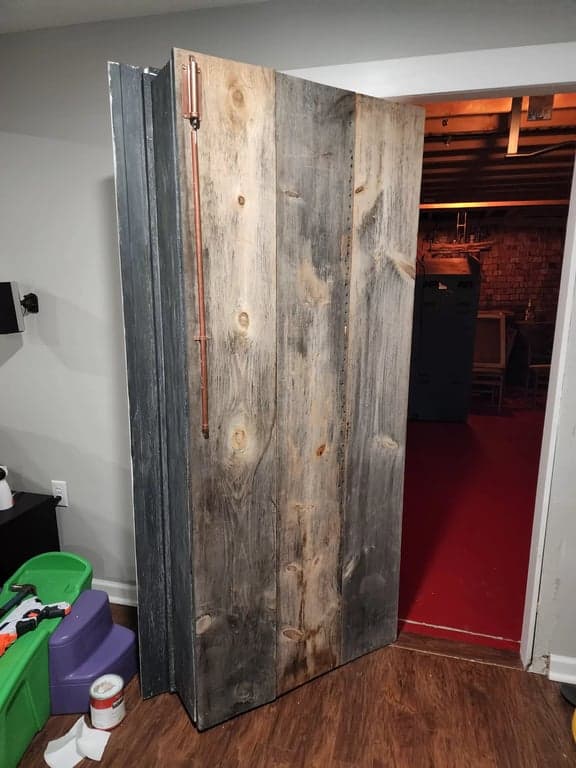
Unfinished plain plywood back of the hidden bookcase door before the reclaimed wood makeover
Where every hidden door build stalls: the plain side nobody photographs.
The lived transformation

Watch the plain side disappear

Scroll through the same doorway three times: unfinished, mid-install, and fully blended into the wall.

Unfinished plain plywood back of the hidden bookcase door before the reclaimed wood makeover
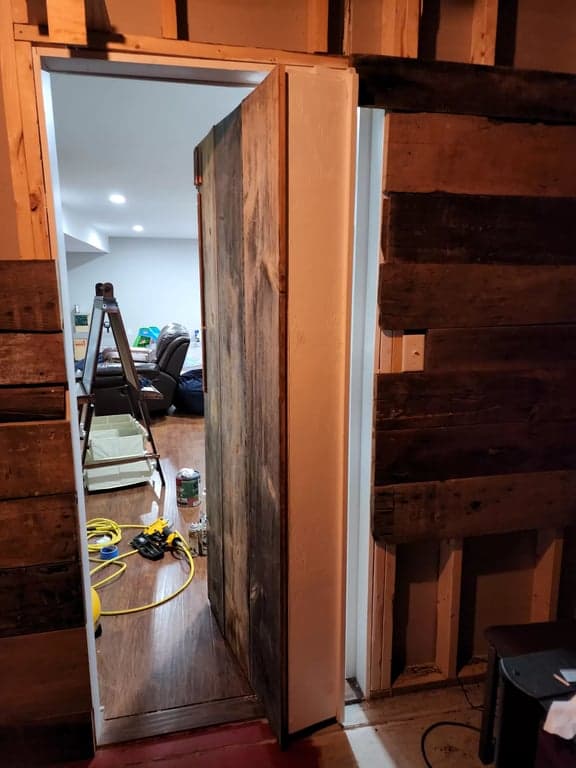
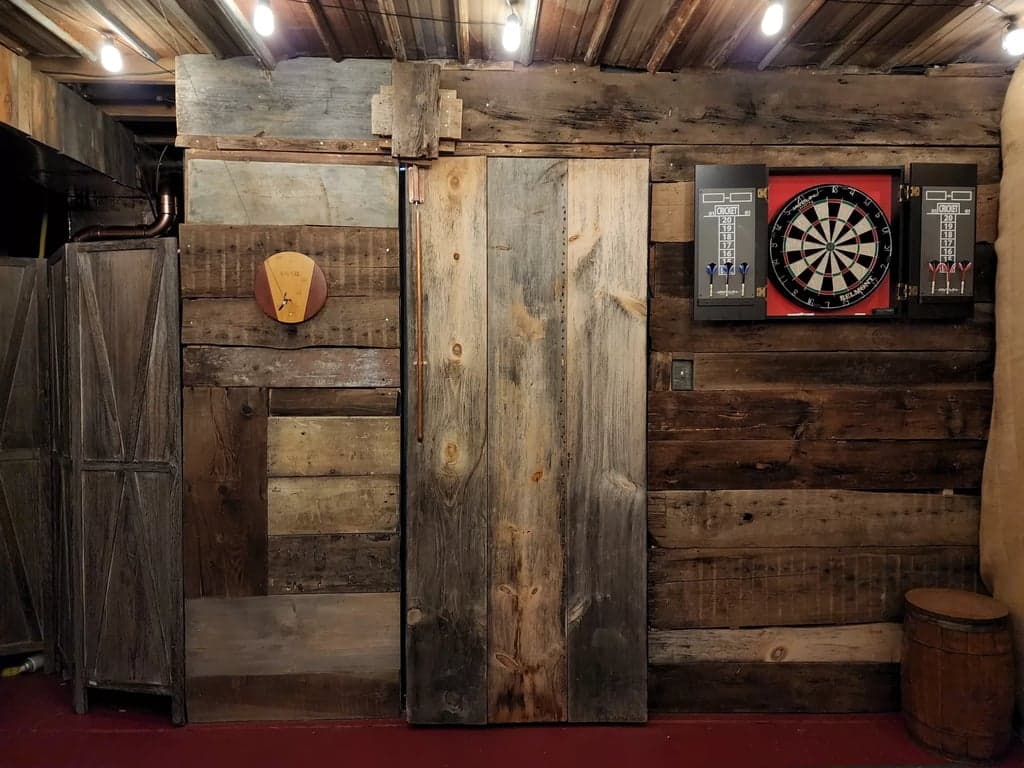
Hidden bookcase door back and surrounding wall clad in matching reclaimed wood so the closed door disappears
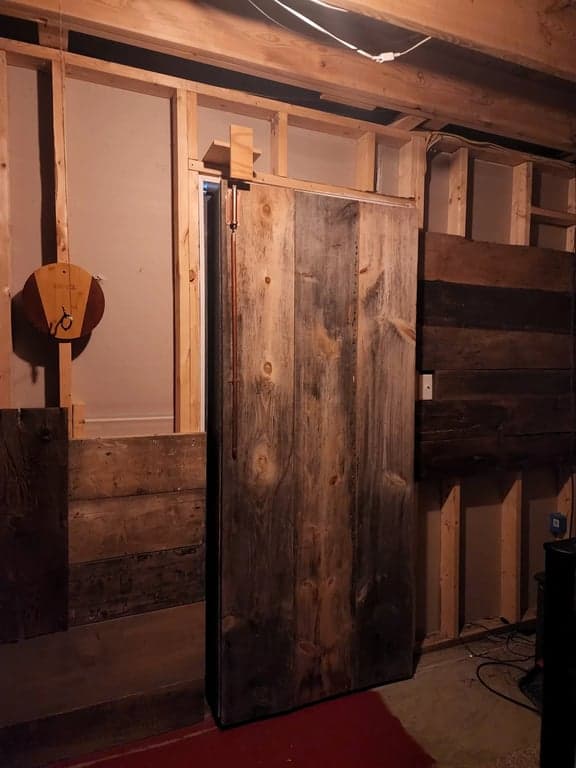
Finished rustic back of the secret bookcase door standing open with dark switch covers and accent lighting
“This creates the illusion that the door is simply part of the wall when closed.”
The whole point of Part 2
Step-by-Step Guide

Five steps from plywood to showstopper

The same five steps from the original build log — sourcing, layout, install, wall integration, and the final details.

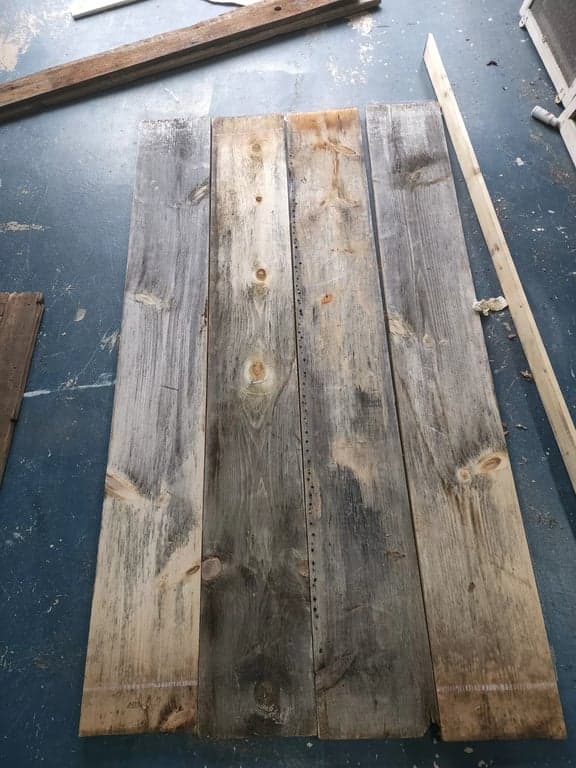
Stack of weathered reclaimed pine boards sourced for cladding the back of a hidden bookcase door
Step 1 of 5

Find Your Style and Materials

Facebook Marketplace is an excellent source for affordable reclaimed wood. I purchased a collection of weathered wood for just $40, which included everything from 100-year-old hand-hewn boards to reclaimed bookcase wood. I specifically chose naturally weathered 1x8x8 pine boards because they were lightweight, reducing unnecessary stress on the Tambee pivot door hinges—which are key for smooth operation. Don't want to wait for the perfect marketplace find? You can also artificially weather new wood using techniques from our weathering guide.

  • $40 reclaimed haul
  • 1x8x8 weathered pine
  • Lightweight = hinge-safe
Reclaimed wood boards dry-fitted across the back of the hidden bookcase door to test the layout pattern
Step 2 of 5

Plan Your Board Layout

My hidden bookcase door required three 1x8x8 pine boards. I was thrilled when the dry-fitted boards fit almost perfectly flush with the edges of the bookcase frame. Take time to arrange your boards in different patterns to find the most visually appealing layout. This isn't a complicated project, but planning your board arrangement makes a huge difference in the final result.

  • 3 boards needed
  • Dry-fit first
  • Pattern matters
Gluing and nailing weathered pine boards onto the back of the hidden bookcase door mid-installation
Step 3 of 5

Installation Process

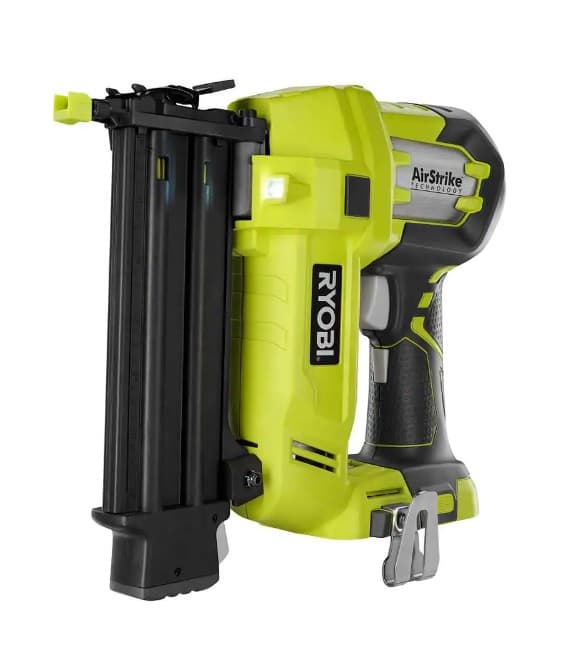
Once you've decided on your board layout, the installation process is straightforward: Measure and cut your boards to the appropriate length if needed, apply wood glue to the back of each board, position the board on the bookcase door back, and secure with finishing nails using your nail gun. Repeat for all boards, ensuring tight, clean seams. Remember that adding too much weight to your bookcase door can strain the hinges and affect operation. This is why lightweight weathered pine is ideal.

  • Glue + finishing nails
  • Tight clean seams
  • Watch the weight
Hidden bookcase door back and surrounding wall clad in matching reclaimed wood so the closed door disappears
Step 4 of 5

Wall Integration

For a truly seamless look, I continued the same rustic wood style on the adjacent wall. This creates the illusion that the door is simply part of the wall when closed. The key to successful integration is ensuring the patterns, board heights, and spacing match up as closely as possible. Small gaps and imperfections are actually beneficial in this rustic style, adding to the authentic look.

  • Match the wall
  • Align board heights
  • Imperfection is authentic
Finished rustic back of the secret bookcase door standing open with dark switch covers and accent lighting
Step 5 of 5

Final Touches

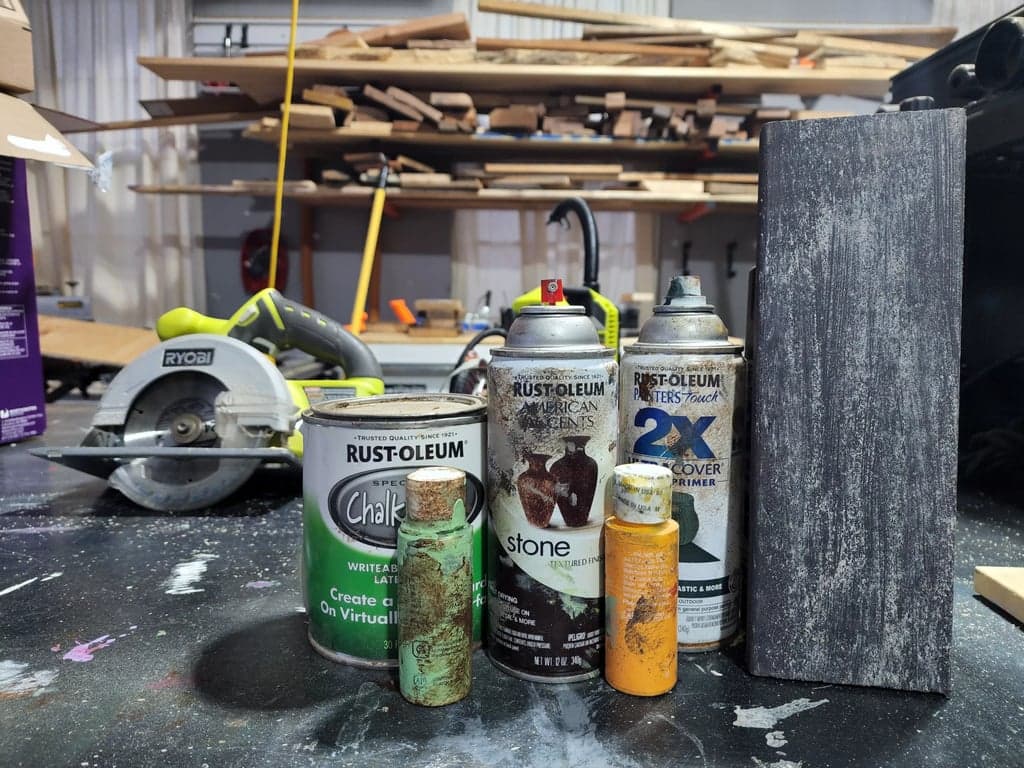
The magic is in the final details that transform your project from good to amazing: Replace white wall switches with dark covers, paint gaps between boards dark gray for depth, add a corrugated metal ceiling for an authentic rustic look, and install Govee RGB patio lights to fix uneven lighting (voice-controlled for convenience). These finishing touches are what elevate the hidden door from a simple project to a showstopper.

  • Dark switch covers
  • Dark gray gaps
  • Corrugated metal ceiling
  • Govee RGB lighting
Toolkit

Tools and materials

A short list on purpose — the door back is an afternoon project, not a shop marathon.

Nail Gun

Nail Gun

Finishing nails through glued boards

Measuring Tape

Measuring Tape

Board lengths and seam spacing

Saw

Saw

Cut boards to length

Weathered Wood Boards

Lightweight 1x8x8 pine, naturally aged

Wood Glue

On the back of every board

Finishing Nails

Secure while the glue sets

Dark Switch Plate

White plates break the illusion