
Desktop CO2
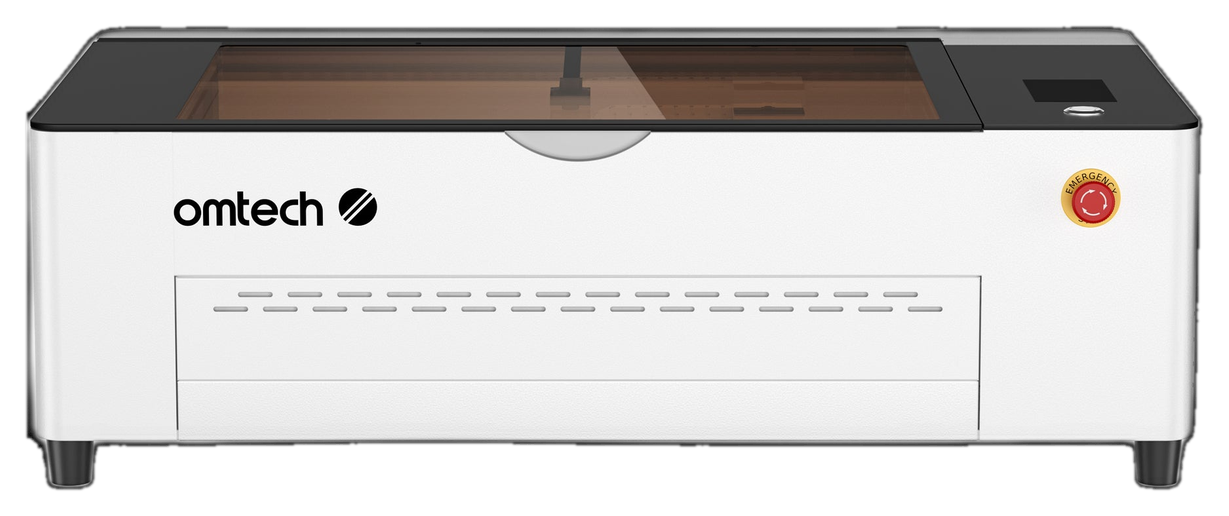
Polar 2 is the new two-option desktop choice: 50W RF for detail/no-water-loop workflow or 70W glass for stronger cutting. Polar Lite and K40+ remain the smaller compact OMTech paths.
- Polar 2
- Polar Lite
- K40+
Updated July 7, 2026
Choose the OMTech machine lane before you compare brands: desktop CO2, production CO2, UV flatbed, DTF apparel, fiber, or the accessory stack that makes the setup work.
Disclosure: The OMTech shopping link is a paid affiliate link. The buying paths below stay informational and separate from price or stock claims.
OMTech is best read as a set of machine lanes, not one blanket recommendation. Start with Polar 2's 50W RF vs 70W glass choice or Polar Lite for desktop CO2, Maker/Pronto/Pro for production CO2, Spectra for UV hard goods, Aurora for DTF apparel, Solis Duo for dual-source metal/nonmetal work, and dedicated fiber for deeper metal-marking research.
Product-family routes
The route cards use published OMTech coverage and official-source checks to keep specs, use cases, and open questions in the right lane.
Polar 2 is the new two-option desktop choice: 50W RF for detail/no-water-loop workflow or 70W glass for stronger cutting. Polar Lite and K40+ remain the smaller compact OMTech paths.
Use the source-checked CO2 laser table when you want OMTech Polar 2 specs beside xTool P2S, xTool P3, Glowforge, and Thunder before reading a buyer verdict.
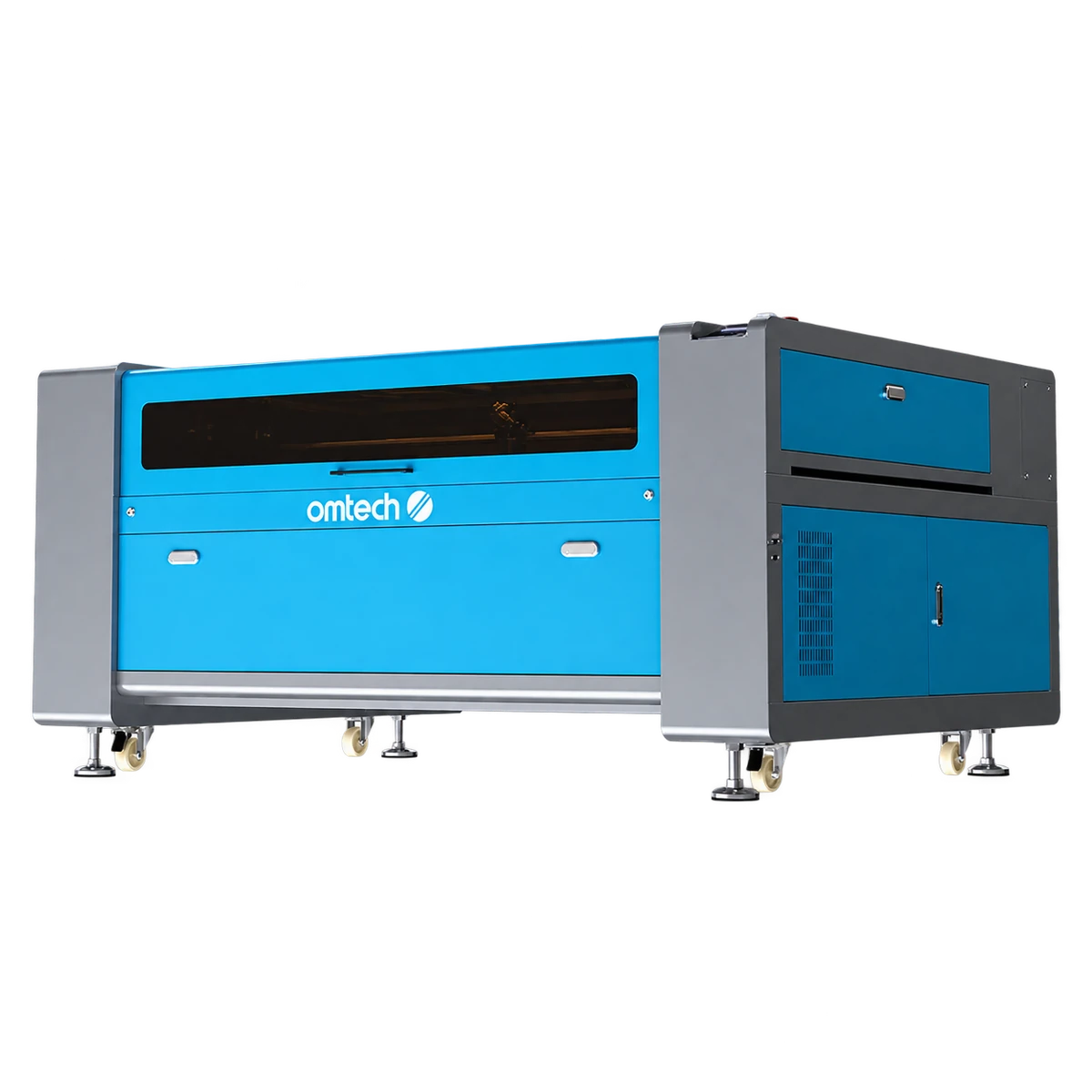
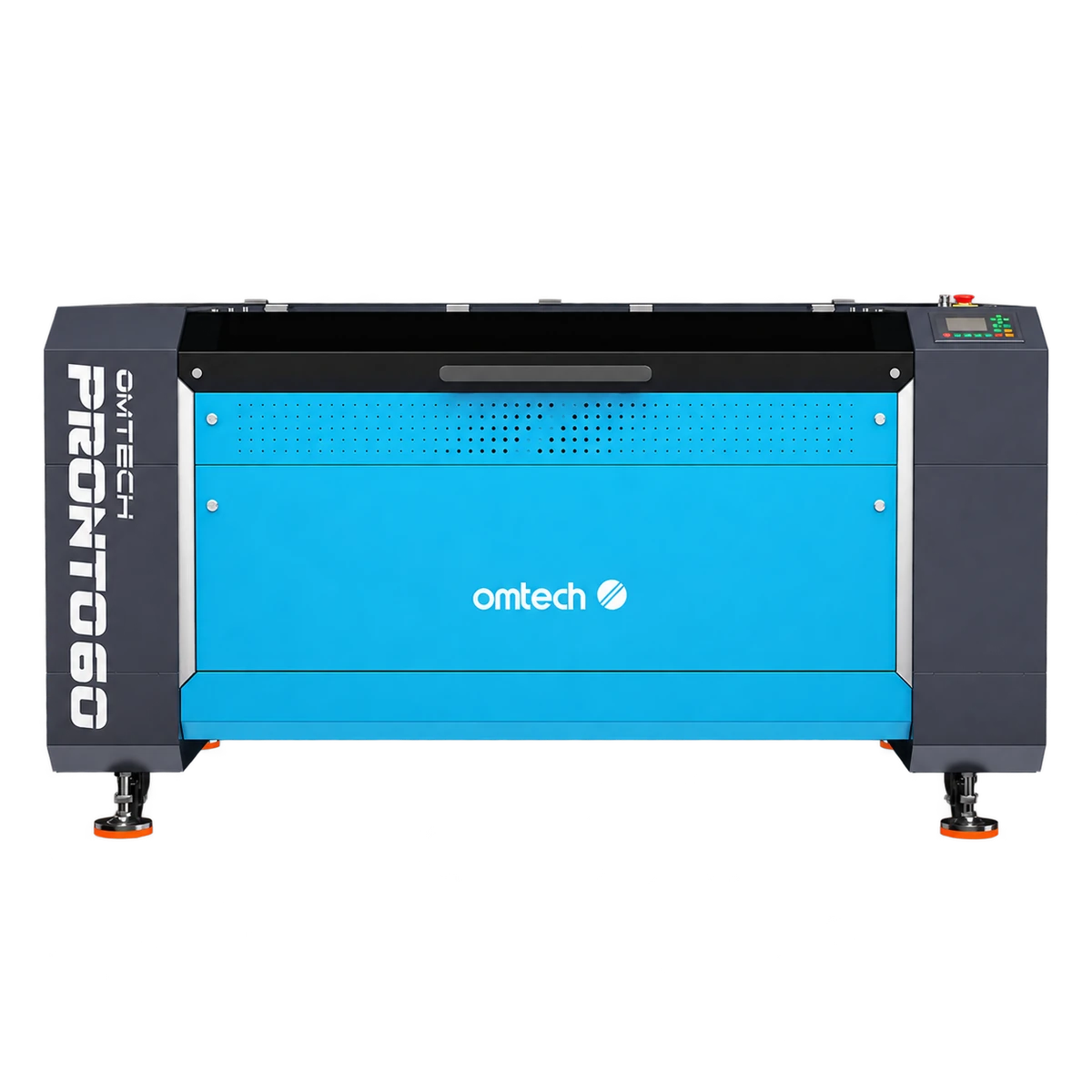
Maker, Pronto, Pro Quantum, and larger Pro machines are the larger-bed path. This is where RF/glass tubes, speed, ventilation, and shop footprint matter.
Spectra belongs in the UV flatbed lane, not the CO2 laser lane. Compare print area, object height, ink system, software, and upkeep before treating it like a laser alternative.
Aurora sits in the apparel lane. It should be compared against DTF maintenance, ink discipline, and roll workflow rather than laser-cutter specs.
Solis Duo now has a source-checked explainer. Dedicated fiber markers, MOPA, galvo, and fiber cutters still need separate buying logic.
Chillers, rotary tools, lenses, air handling, software, ink, blanks, and material margins decide whether a machine fits the shop after the headline spec looks good.
Read next
Use this grid for every published OMTech route that belongs to the product map, including older comparison pages that still answer real buyer questions.
Desktop CO2 routing for 50W RF vs 70W glass and the current Polar 2 decision.
Open guideThe AF2028-60 lane: 20 x 28 bed, autofocus, DC-tube honesty, and who the classic 60W gantry actually fits.
Open guideThe UV comparison table built around matching parameters and documented gaps.
Open guideThe production CO2 ladder for Maker, Pronto, Pro Quantum, Pro 2440, Pro 3655, and Hybrid buyers.
Open guideThe production RF CO2 reference for the larger OMTech conversation.
Open guideThe DTF apparel comparison path for Aurora, xTool Apparel Printer, and maintenance-heavy garment work.
Open guideThe fiber + diode routing guide for metal marking, nonmetal engraving, rotary use, and xTool F1/F2 context.
Open guideA desktop CO2 brand comparison when the choice is polish vs open workflow.
Open guideThe older desktop CO2 comparison route for readers weighing OMTech control against Glowforge simplicity.
Open guideThe wider brand map after you know which OMTech lane you are actually shopping.
Open guideUseful when the OMTech choice depends on controller, software, and shop setup.
Open guideCoverage gaps
These topics need dedicated source work before a full guide ships. The best sources are official OMTech pages, manuals, support docs, and the site's published comparison notes.
Needs model-by-model sourcing
Needs cart mapping
I am turning the current CO2, diode, fiber, and UV decision notes into a shorter buyer checklist. Join the laser list for the next update when it is ready.
Quick answers
No. This hub is a routing page built from official OMTech source checks and The Crafty Catsman coverage. Individual linked pages disclose their own review basis, and Spectra coverage stays spec-based unless hands-on proof is published.
Start with the Polar 2 buyer guide, then compare against Polar Lite, xTool P2S or P3, Glowforge, and other desktop CO2 choices once the work area, tube type, software, and ventilation needs are clear.
No. Spectra A3+ is a UV flatbed printer lane. It should be compared on print bed, object height, printhead path, ink system, texture, software, and maintenance, not on CO2 cutting power.
The highest-priority gaps are dedicated fiber machines beyond Solis Duo, the Aurora product ladder, and an accessory/bundle map that turns real carts into comparable ownership paths.
The paid link is optional and clearly disclosed. It supports the site if used, but the hub keeps facts, routes, and research gaps separate from the shopping link.